Compare glass sliding, manual swing, and automatic steel airtight doors for hospitals, laboratories, pharmacies, and clean facilities.
Selecting an airtight door is not simply a choice between sliding and swing configurations. Procurement teams must consider hygiene, traffic flow, available opening space, visibility, operating frequency, and the surrounding wall system. Exploring a complete airtight door range helps buyers match each entrance to its actual working environment.
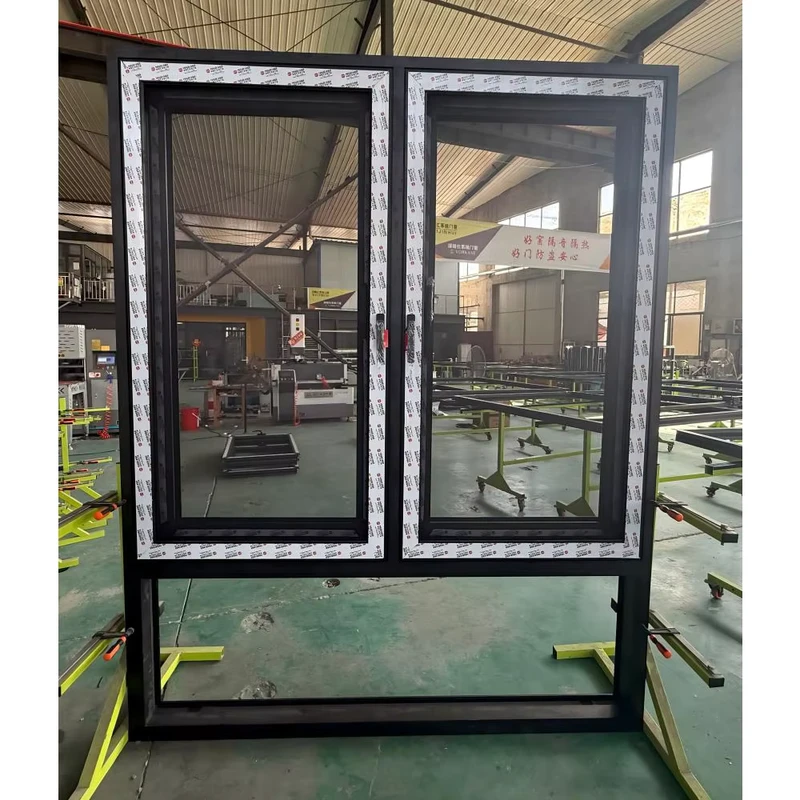
For areas where visibility and a modern appearance matter, an aluminum-framed glazed sliding door offers a practical option. Its double-layer tempered glass construction supports visual connection between spaces, while the sliding format helps preserve usable floor area. It can suit hospitals, supermarkets, apartments, and other commercial or residential interiors.
Match Operation to Traffic Conditions
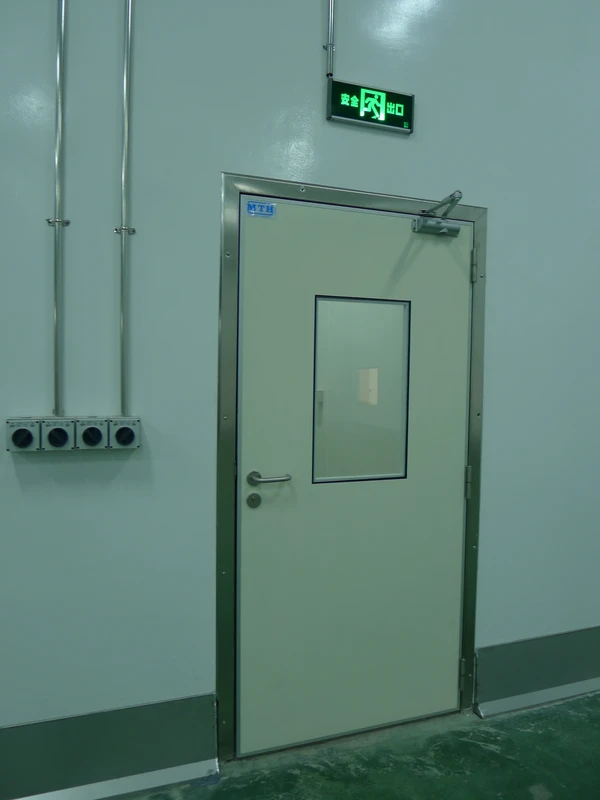
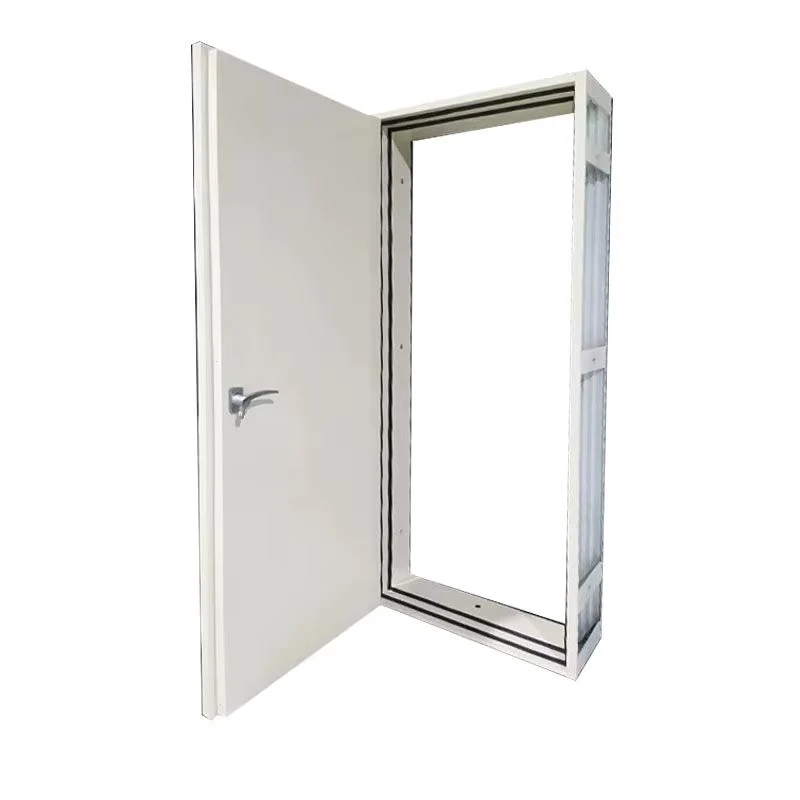
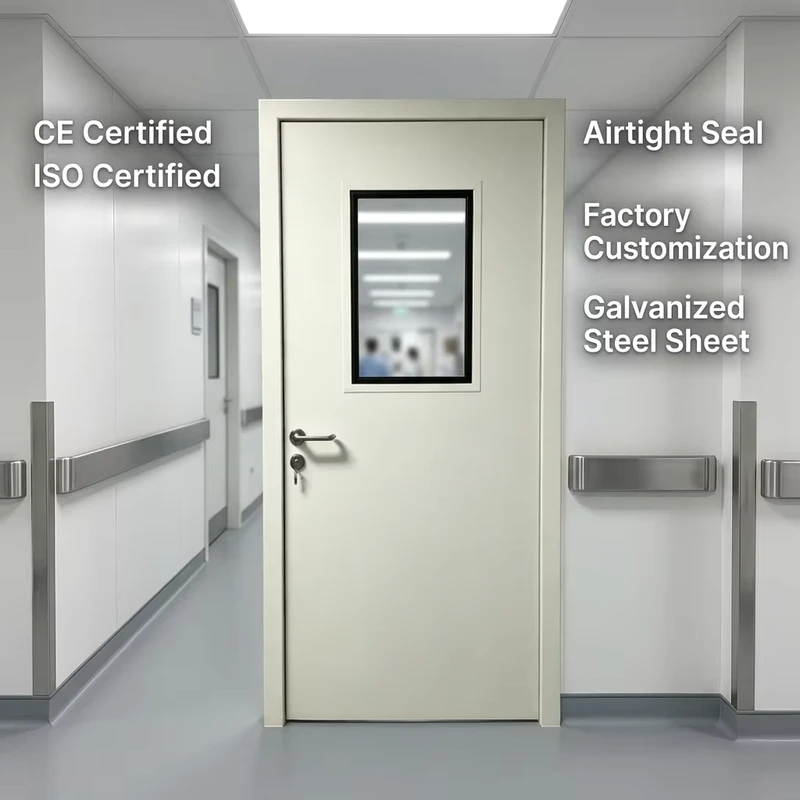
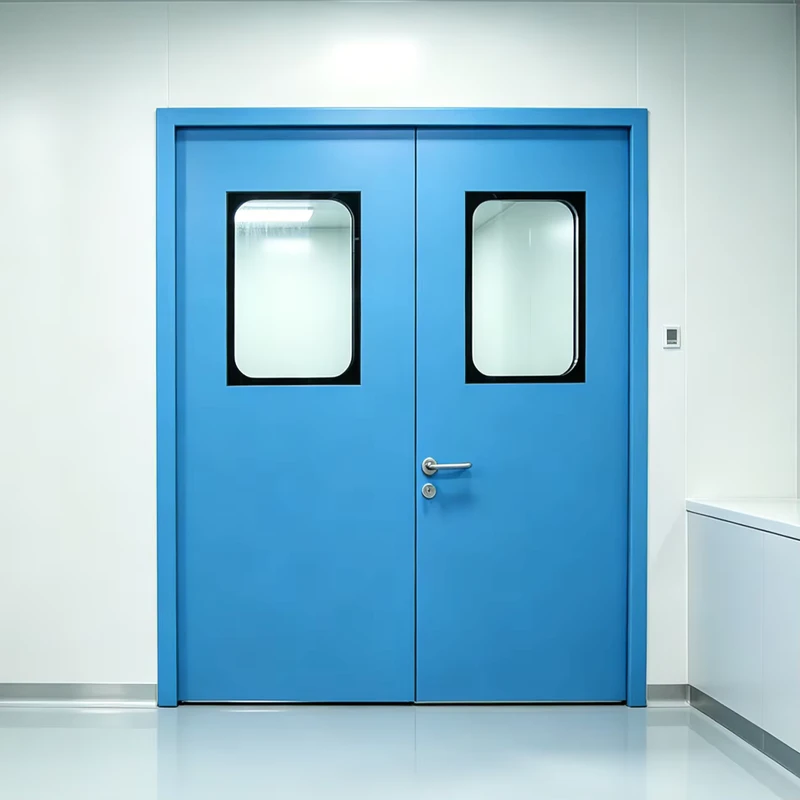
A manual hygienic swing door may be preferred for cleanroom corridors, laboratories, pharmaceutical workshops, and medical facilities requiring straightforward operation. Aluminum alloy and stainless steel construction provide material options for demanding interiors, while sound-insulation and sealing requirements should be confirmed against the project specification.
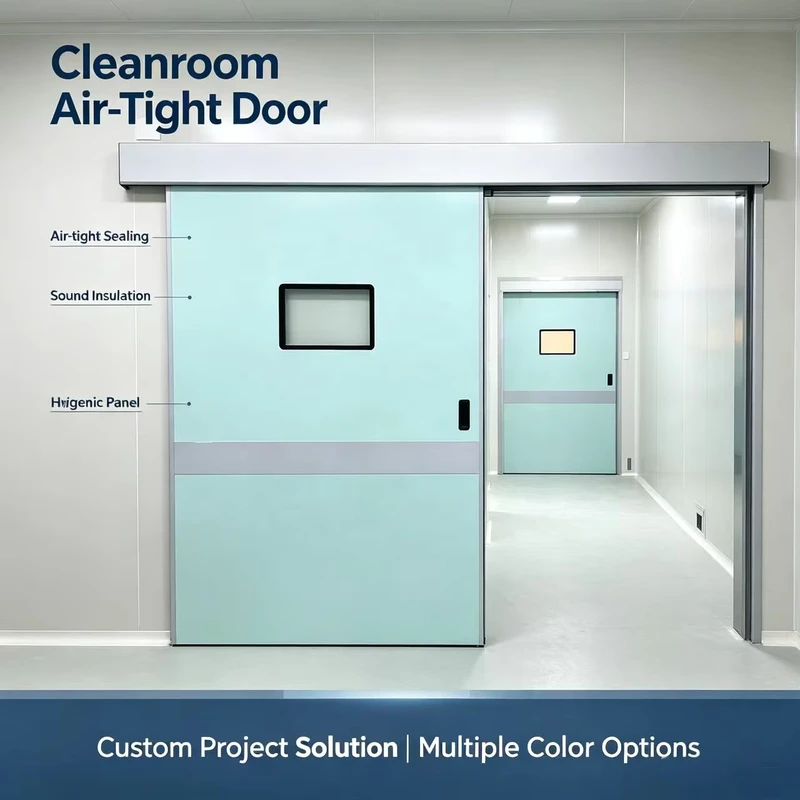
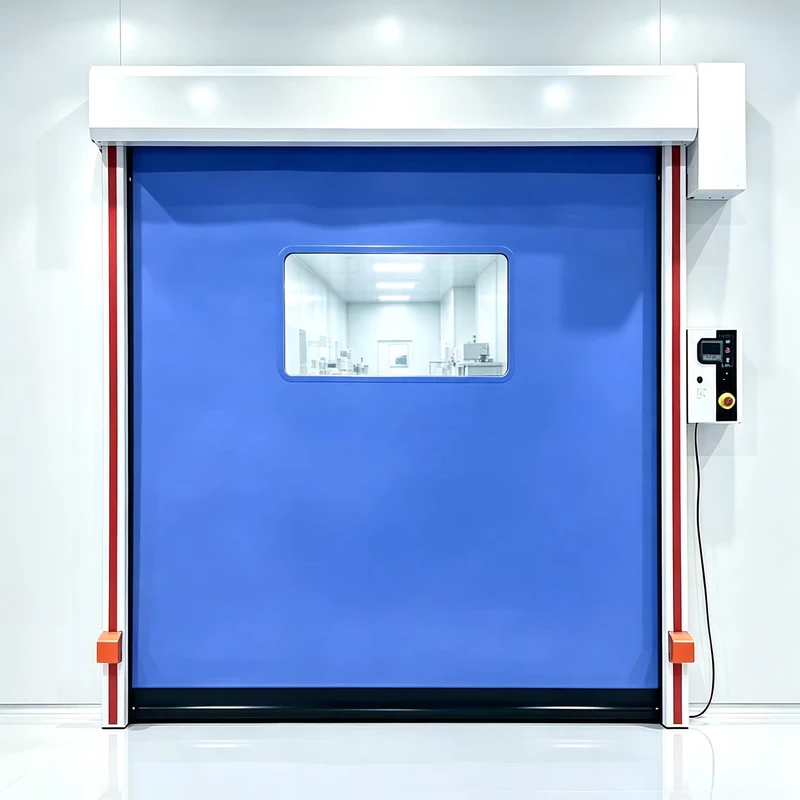
High-frequency clinical entrances often require a different approach. An automatic steel door provides electric side-opening operation for hospital pharmacies, operating rooms, and other controlled areas. Its steel structure, finished surface, and anti-corrosion design make it relevant where durability, convenient access, and easier traffic management are priorities.
Define Requirements Before Ordering
Importers and project buyers should provide opening dimensions, wall type, handing, power supply, expected usage, finish preferences, and required sealing performance. Any applicable hygiene, fire, acoustic, or pressure-control standards should also be identified before production. Share your drawings and application details to discuss configuration, technical support, packaging, delivery, and project purchasing requirements.